
By Michael Wiesenfeld, The Freud Group. Living and working in Miami since 2009.
A beautiful view can make a waterfront house feel right within seconds. I would still want you to leave the viewing with a clear picture of what you are buying. The house, the shoreline and the way you intend to use the water are three separate parts of the decision.
This is the order in which I would organise the search and the specialist checks. It applies whether you want a primary home or somewhere to spend a few months each year.
Decide what waterfront means for you
Do you want an open view, a quieter canal setting, space for a boat or simply the pleasure of sitting beside the water? Those wishes can lead to different properties. I would ask you to rank them before we compare addresses.
Spend time outside during a viewing. Look at the neighbouring terraces, boat activity, the orientation of the outdoor seating and the exposure you can actually feel. Photographs rarely answer those questions.
Inspect more than the interiors
A recently decorated house still needs a proper inspection. I would ask qualified inspectors to assess the systems and structure, then arrange additional expertise for the seawall, dock or other waterfront elements where appropriate.
The Consumer Financial Protection Bureau explains the distinction between an inspection and an appraisal. Neither a valuation nor a polished presentation replaces an assessment of condition. Agree the inspection scope, access and deadlines with your professionals before relying on it.
Check insurance and flood information early
I would obtain property-specific insurance quotations while you still have time to evaluate them. Ask the insurer to explain coverage, exclusions and deductibles, including how flood cover fits with the other policies.
FEMA’s FloodSmart guidance explains when a government-backed mortgage can require flood insurance. A lender’s requirement is only one part of the conversation. Ask your adviser to assess the property’s actual circumstances and your intended protection.
Review the documents behind the waterfront
Ask your attorney and relevant specialists to review the survey, boundaries, easements and documentation for the dock, seawall and any alterations. If you plan to change something, establish what approvals would be needed before treating that future work as part of the purchase.
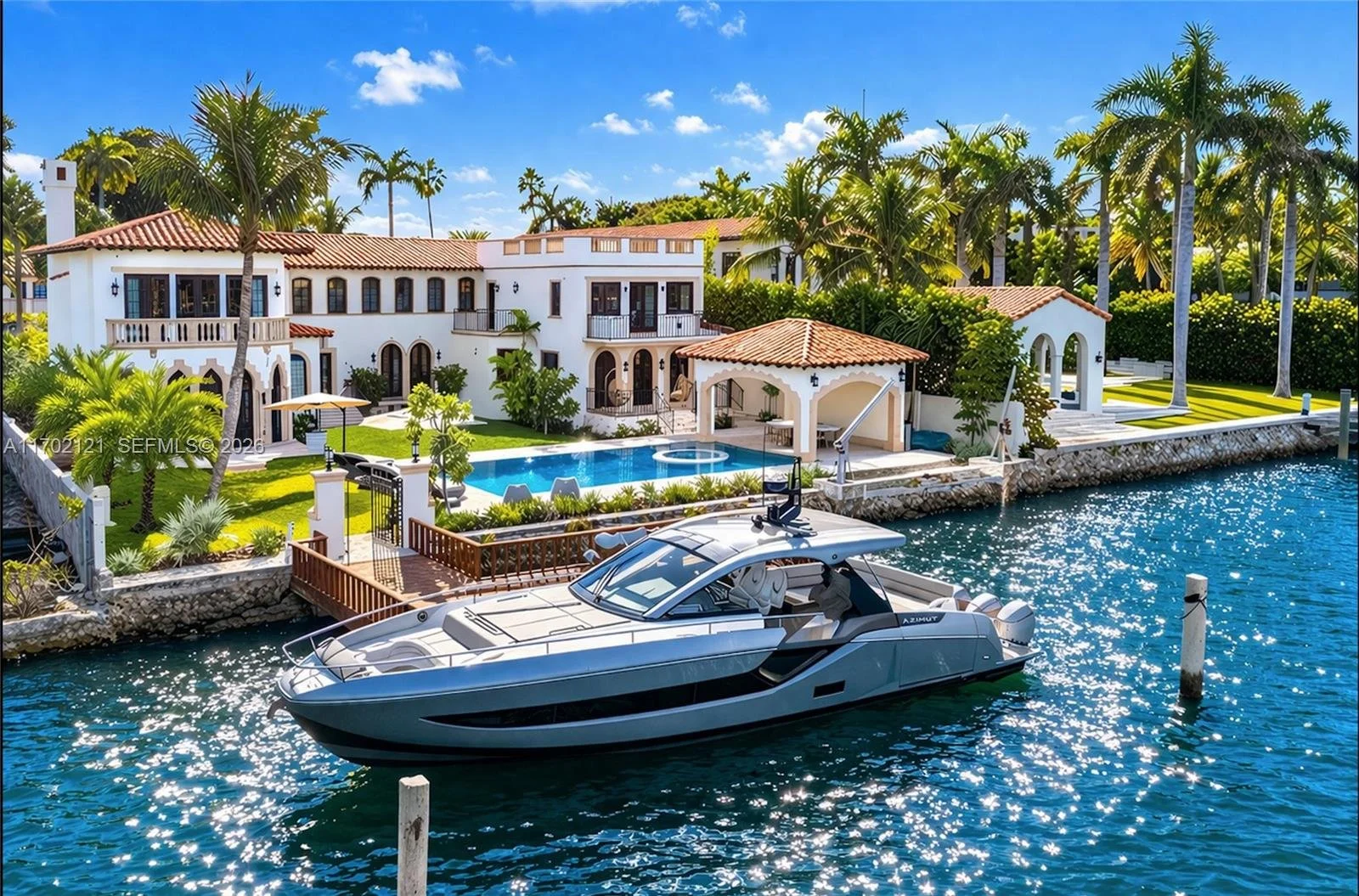
A boat adds another layer. Give us its dimensions, draft and clearance requirements. The route to the water you use matters as much as the dock behind the house. My waterfront home search page is a starting point for that brief.
Make the offer around the findings
I would compare the price with the property’s condition, the work you may need and the timetable you can accept. Your attorney should help you understand the contract and applicable protections. A concern should become a question with an answer, a costed issue or a reason to move on.
Send me a waterfront brief
Request a shortlist of existing waterfront houses with your budget, bedrooms, intended move date and preferred areas. Tell me whether boating is essential and include the boat specifications if it is. We will respond within 24 hours with the next step for your search.
